The Future of Workforce Planning in Building and Construction Industries
Workforce planning in construction recruitment isn’t what it used to be. Shifts in labour hire demands and building industry trends are changing how you find and keep skilled talent. Understanding these shifts helps you stay ahead and build teams ready for the future of construction. Let’s explore what’s next and how your workforce strategy can adapt. Learn more about these changes here.
Future Workforce Trends

The construction industry is on the brink of transformation. As a business leader, staying on top of these trends is crucial for sustaining growth.
Building Industry Shifts
The building industry is experiencing rapid changes. First, there’s a growing emphasis on sustainable construction. More companies are adopting green building practices to meet environmental standards. This shift not only benefits the planet but also attracts eco-conscious clients. 80% of new projects now incorporate sustainable designs.
Next, technological advancements are reshaping the landscape. From 3D printing to drones, technology is enhancing project efficiency and accuracy. These tools allow you to complete projects faster and with fewer errors. Imagine finishing a project weeks ahead of schedule thanks to precise technology.
Lastly, the demand for skilled labor continues to grow. As older workers retire, the gap in skilled trades becomes more evident. To remain competitive, businesses must focus on training and upskilling their workforce. This ensures that you’ll always have the talent needed to complete projects successfully.
Construction Recruitment Strategies
As the industry evolves, so too must your recruitment strategies. Traditional methods may no longer suffice in attracting top talent. One effective approach is leveraging digital platforms. Online job boards and social media can help you reach a wider audience.
Additionally, building a strong employer brand is essential. By showcasing your company culture and values, you can attract candidates who align with your vision. Consider highlighting employee testimonials and success stories on your website.
Partnering with a recruitment agency can also provide a competitive edge. Agencies have access to vast networks and can quickly connect you with qualified candidates. This collaboration can save you time and resources, enabling you to focus on core business operations.
Key Elements of Workforce Planning
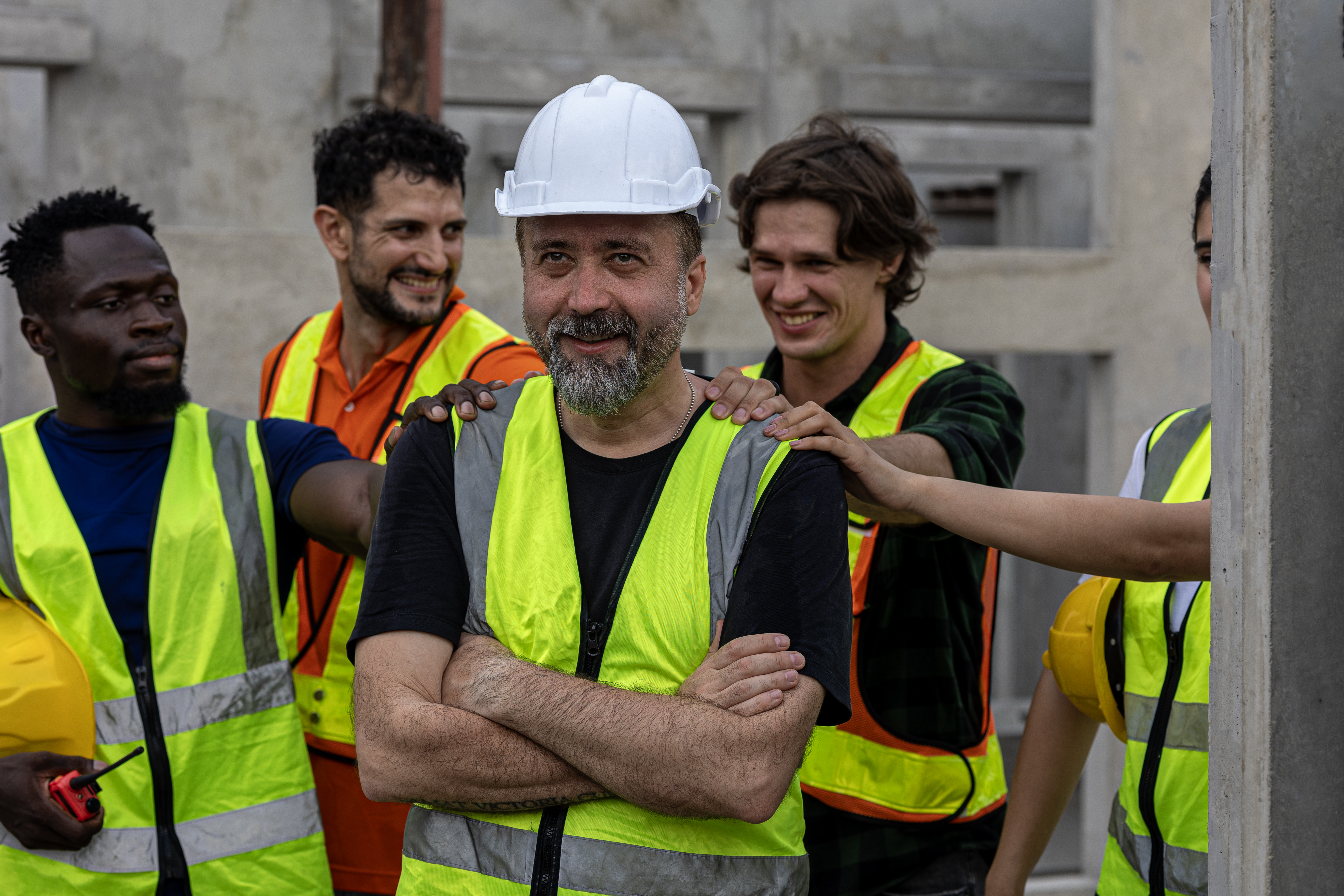
Now that we’ve explored industry trends and recruitment strategies, let’s delve into the key elements of effective workforce planning.
Effective Labour Hire Practices
Labor hire practices are crucial for meeting fluctuating project demands. By using labor hire, you can easily adjust your workforce size based on project needs. This flexibility ensures that you have the right number of workers at all times.
For example, in peak construction seasons, you can hire additional workers to meet increased workload demands. During slower periods, you can downsize without long-term commitments. This approach optimizes labor costs and reduces the risk of overstaffing.
Another benefit of labor hire is access to specialized skills. If a project requires niche expertise, you can hire skilled workers on a temporary basis. This ensures project quality without the need for permanent hires. Learn more about labor hire benefits here.
Tailored Recruitment Solutions
Tailored recruitment solutions are key to building a strong workforce. By customizing your recruitment approach, you can meet specific project and company needs. This involves understanding your business goals and aligning them with hiring strategies.
Start by developing clear job descriptions that outline the skills and experience required. This helps attract candidates who are well-suited for the role. Next, consider conducting behavioral interviews to assess soft skills and cultural fit. This ensures that new hires will thrive in your company environment.
Finally, investing in ongoing training and development is vital. By offering skill enhancement programs, you can retain top talent and foster employee growth. This investment not only benefits your workers but also boosts overall company performance.
Preparing for the Future of Construction

With a solid understanding of workforce planning elements, it’s time to prepare for the future of construction.
Adapting to Industry Changes
Adapting to industry changes is vital for long-term success. Embrace technological advancements and integrate them into your projects. This may involve investing in new construction tools or software. By staying current with technology, you can improve project efficiency and quality.
Furthermore, focus on sustainability and green building practices. As more clients prioritize eco-friendly projects, aligning with these values can attract new business. Consider using recycled materials or energy-efficient systems in your constructions.
Lastly, prioritize continuous learning. Encourage your team to attend workshops and seminars related to industry trends. This ensures that everyone is informed and ready to tackle future challenges.
Long-term Workforce Strategies
Developing long-term workforce strategies is crucial for sustained growth. Start by creating a comprehensive talent management plan. This includes identifying key roles, succession planning, and developing career paths for employees.
Next, foster a positive workplace culture. By creating an environment where employees feel valued and motivated, you can improve retention rates. This involves recognizing achievements and providing opportunities for advancement.
Finally, collaborate with educational institutions to develop a talent pipeline. By partnering with schools and vocational programs, you can identify and nurture potential talent early on. This proactive approach ensures a steady flow of skilled workers in the future.
In conclusion, by understanding workforce trends and implementing effective planning strategies, you can position your business for success in the ever-changing construction industry. Stay informed, stay adaptable, and continue building the future.